Small-pack stability
Narrow conveyors, close transfers and controlled spacing help lightweight cartons, bottles and medical packs cross the weigh section consistently.
Verify carton, bottle, device and kit weight without relying on periodic manual samples. A correctly engineered checkweigher may flag missing-content or component-count errors when the gross-weight difference is distinguishable, while supporting controlled recipes and secure reject handling.
Lightweight regulated packs require controlled presentation, protected recipes, secure non-conformance handling and records defined around the customer’s quality process.
Narrow conveyors, close transfers and controlled spacing help lightweight cartons, bottles and medical packs cross the weigh section consistently.
Product settings, target weights and limits can be protected by access level to reduce the risk of unauthorised changes.
Lockable reject bins, reject confirmation, bin-full sensing and fail-safe line responses can be incorporated where the risk assessment requires them.
Batch totals, weight statistics, reject events and operator actions can be made available for production review, subject to the selected control and software package.
Gross-weight inspection is powerful when the missing item produces a detectable weight difference. It is often combined with barcode reading, label inspection, code verification or vision inspection to confirm identity as well as quantity. We help define which risks are best detected by weight and where another inspection technology should be added.

Weight can support completeness checks while barcode and vision systems directly verify identity, visible components, labels and printed information.
Discuss integrated inspectionThese answers set practical boundaries around missing-item detection, user access, reject containment, electronic records and validation support.
Potentially. Detection depends on the leaflet weight compared with normal variation in the product and packaging. Representative samples and a capability trial are the safest way to confirm the inspection window.
Audit, access and electronic-record requirements must be defined project by project. We can specify control and data options around your URS, including relevant 21 CFR Part 11 and Annex 11 considerations where required.
Yes. Lockable reject containment, reject confirmation and controlled removal procedures can form part of the agreed system design.
Validation documentation and IQ/OQ support can be scoped where required. The deliverables, responsibilities and acceptance tests should be agreed before manufacture.
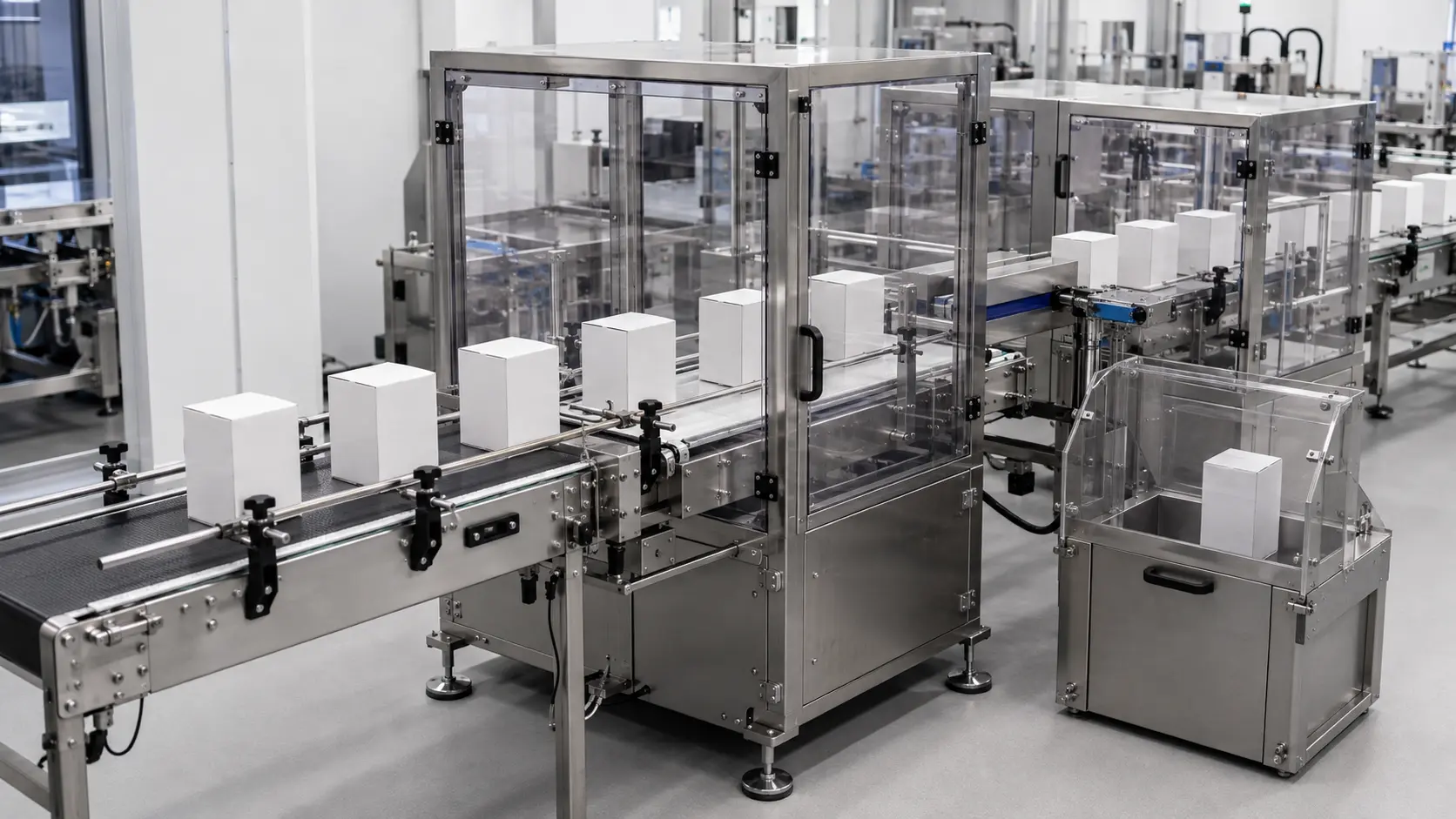
Use in-line gross weight as a fast, non-destructive indicator of product completeness. From small pharmaceutical cartons to food, cosmetic and general-manufacturing packs, the system is configured around the detectable weight difference and the normal variation of every pack component.
Explore systemMake weight inspection information useful beyond the machine HMI. From simple batch reports to line-level data exchange, we define the records, identifiers, retention and interfaces your production and quality teams actually need.
Explore systemA weight result only protects production when the correct item is removed and its removal is confirmed. We select the reject principle around pack behaviour, throughput, available length and the way your quality team needs to contain and reconcile non-conforming product.
Explore systemUse the next guide that matches the engineering or quality question behind your project.
Share pack details, target weights, line speed and any inspection or data requirements.