Trend-based decisions
A moving sample reduces the chance that one unusual product causes an unnecessary filler adjustment.
Turn downstream weight measurements into controlled adjustments at the filler. Rather than reacting to one pack, feedback logic evaluates a defined sample and applies bounded corrections when a genuine process trend is established.
Useful filler feedback comes from a stable series of correctly tracked weights, filtered over a defined window and bounded so normal variation does not drive unnecessary corrections.
A moving sample reduces the chance that one unusual product causes an unnecessary filler adjustment.
Maximum correction size, frequency and cumulative limits can be set so the checkweigher cannot drive uncontrolled changes.
Target weights and feedback parameters can be linked to the active product recipe, with appropriate protection against mismatched settings.
Operators can see when feedback is active, what correction was requested and when manual investigation is needed.
Automatic correction is valuable for gradual, predictable drift. It should not compensate indefinitely for a blocked nozzle, damaged pump, empty hopper or unstable raw material. Alarm limits and maximum correction authority make those conditions visible so operators can address the root cause.
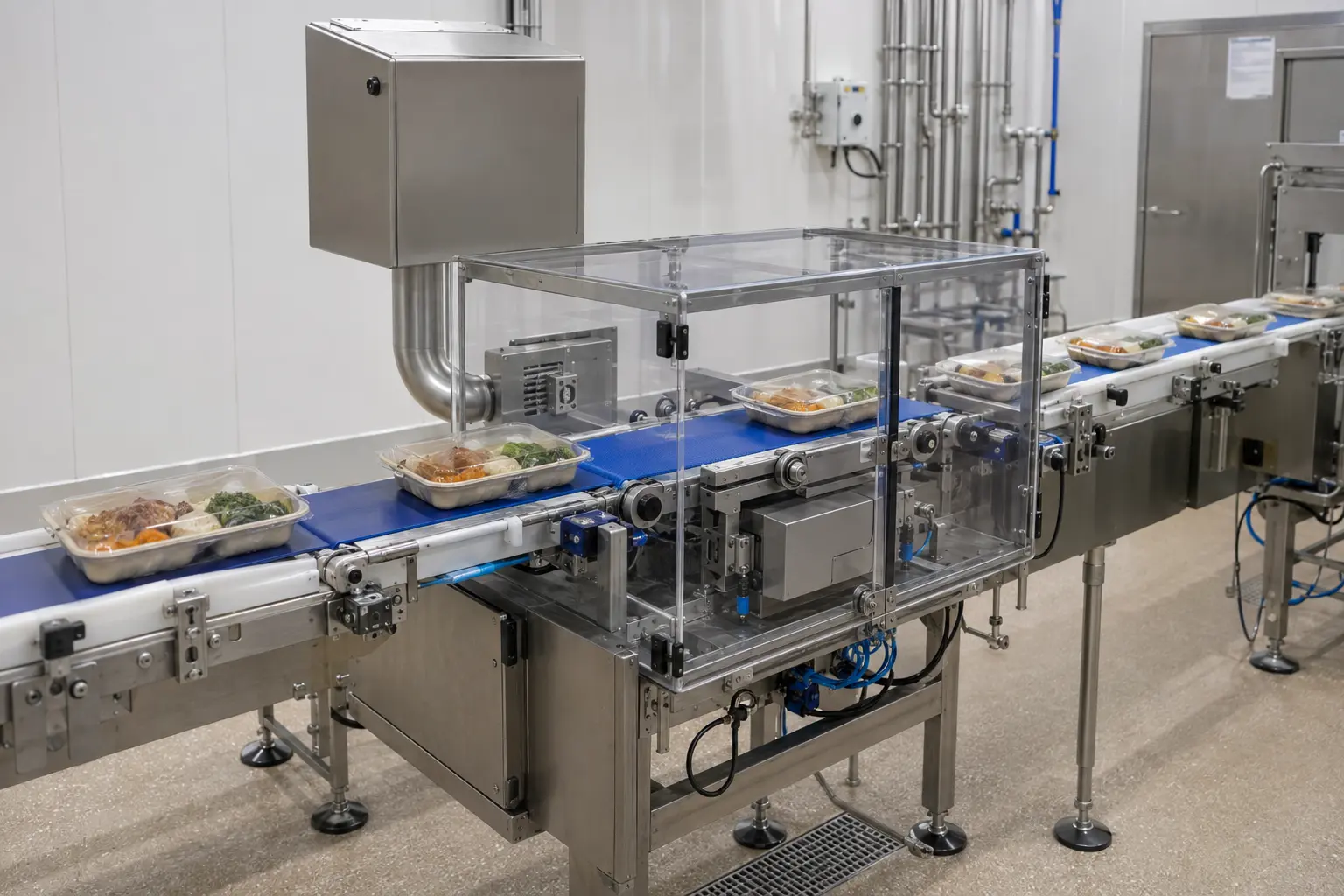
Weight feedback can address gradual mean drift, while vision, fill-level or closure checks provide direct evidence for faults that weight cannot diagnose.
Discuss integrated inspectionThe important questions concern filler compatibility, feedback delay, deadband, correction authority and the response when drift continues.
No. The filler must offer a suitable documented input or communications interface, and its dosing method must respond predictably to small corrections.
Normally no. Filtered or averaged results are used so individual pack variation does not make the filling process unstable.
It can help keep a capable filling process centred closer to target, reducing sustained overfill. The outcome still depends on filler repeatability and product variation.
The system can limit correction authority and raise an alarm or stop request when the process moves outside the agreed control window.
Inspect every finished pack for underweight and overweight conditions while giving production teams a live view of process drift. Systems can be configured for open or wrapped food, dry or wet areas, and straightforward or frequent product changeovers.
Explore system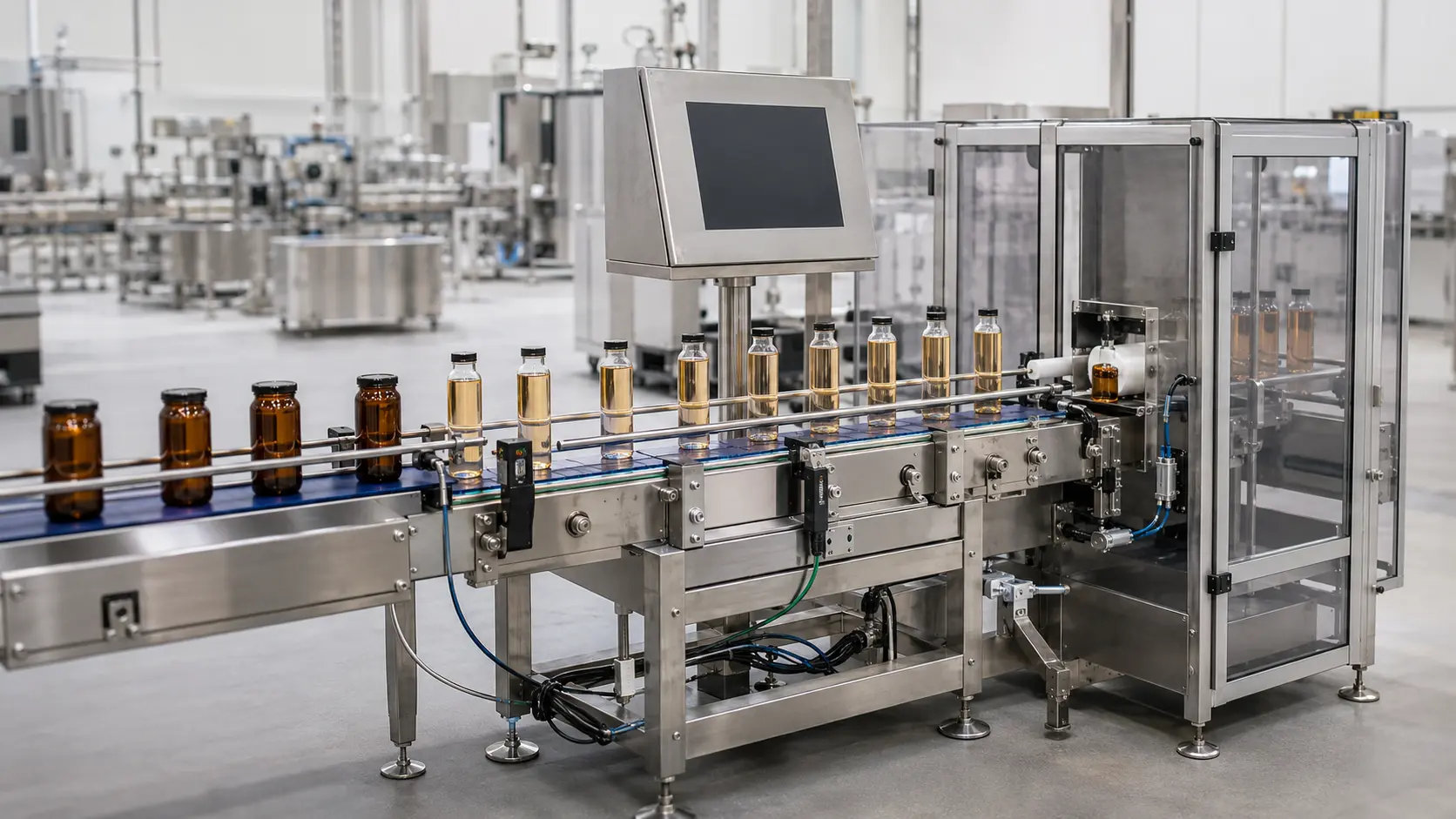
Weigh filled bottles and jars at line speed while maintaining stable handling through the infeed, weigh section and reject station. The design can accommodate glass, plastic and metal containers across food, beverage, cosmetic, pharmaceutical and chemical applications.
Explore system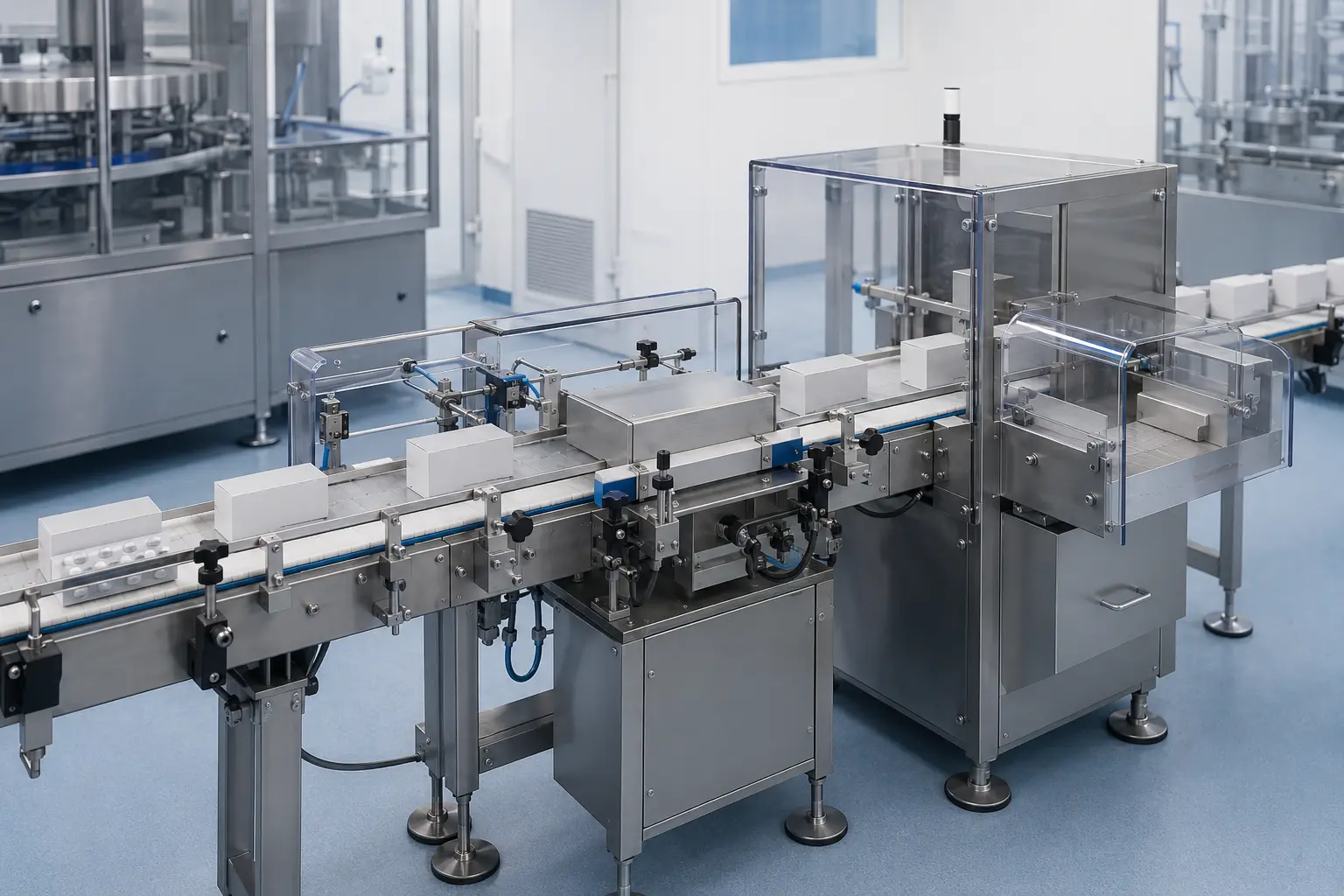
Make weight inspection information useful beyond the machine HMI. From simple batch reports to line-level data exchange, we define the records, identifiers, retention and interfaces your production and quality teams actually need.
Explore systemUse the next guide that matches the engineering or quality question behind your project.
Share pack details, target weights, line speed and any inspection or data requirements.