Stable product handling
Infeed spacing, belt transitions and weigh-conveyor geometry are matched to the pack so each reading is taken while the product is settled and controlled.
Inspect correctly presented packs at the agreed production rate, classify them against defined limits and remove non-conforming items with an application-matched reject system. We configure the weighing conveyor, controls, reject method and data outputs as one practical system.
Reliable dynamic weighing requires controlled spacing, settled belt transfers, a valid measurement window and accurate tracking from the weigh conveyor to the final response.
Infeed spacing, belt transitions and weigh-conveyor geometry are matched to the pack so each reading is taken while the product is settled and controlled.
Independent underweight, accepted and overweight zones make the result unambiguous for operators and downstream controls.
Air blast, pusher, sweep arm, drop-flap and stop-alarm options can be selected around pack weight, speed, footprint and containment requirements.
Counts, mean weight, giveaway trend, rejects and batch information can be displayed locally and made available for wider line reporting.
A checkweigher performs best when the surrounding process is considered. Oxford Vision Systems can assess upstream spacing, vibration, drafts, line control, guarding and downstream accumulation. Signals can be exchanged with fillers, coders, labellers, metal detectors, vision systems and line PLCs so the weight result supports the wider quality process.
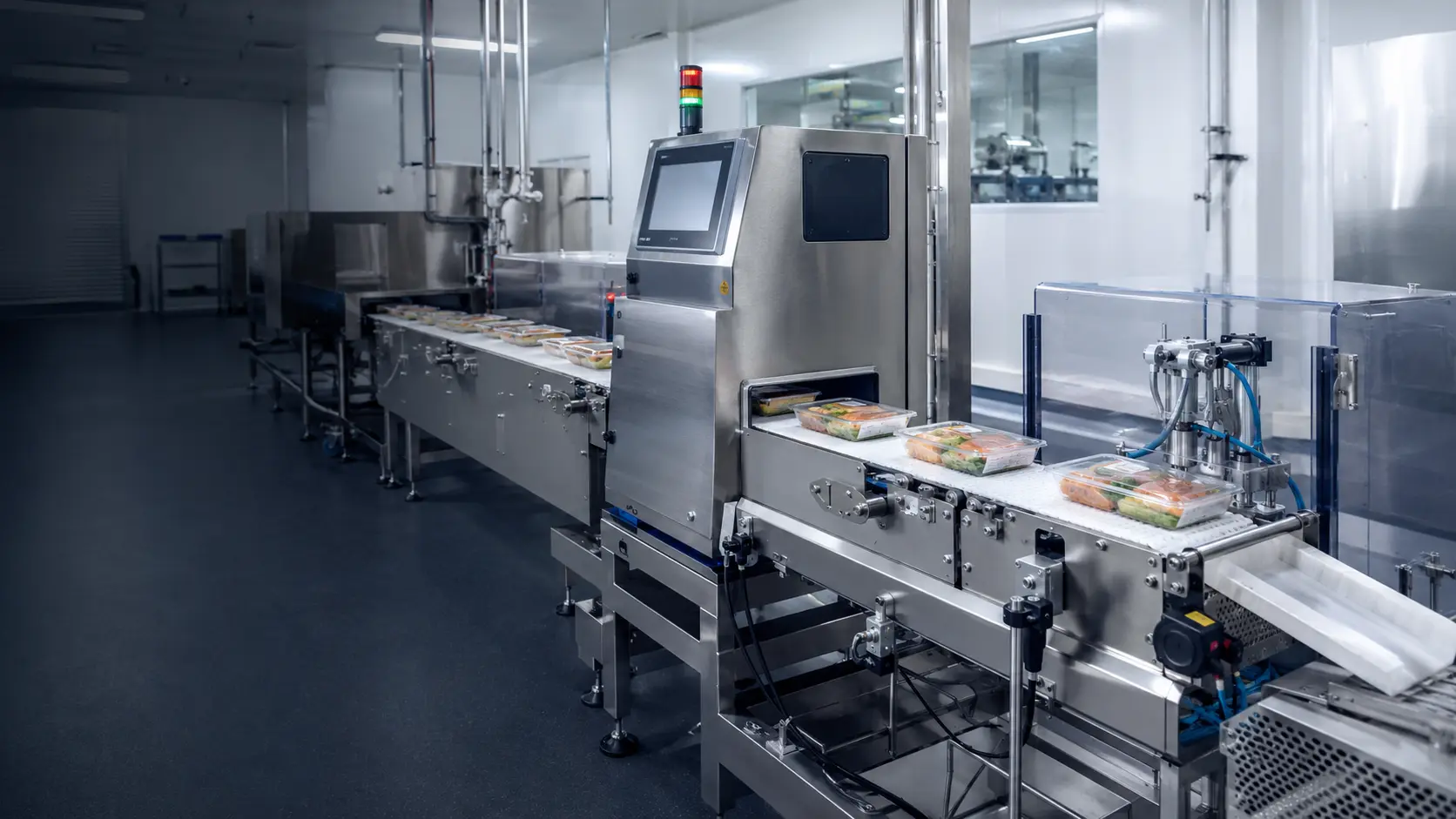
Barcode, label, vision or contaminant inspection can share product tracking with weight control, provided operators can still identify why each pack failed.
Discuss integrated inspectionThese answers address practical throughput, recipe, line-stop and reject questions before a machine configuration is selected.
Yes. A correctly specified dynamic system weighs each pack as it crosses the weigh belt and automatically applies the configured acceptance limits.
It should be selected for the required throughput and product pitch. Product control and spacing are as important as belt speed, so we review the whole transfer before proposing a configuration.
Yes. Recipe control can retain product-specific limits and operating settings, helping authorised operators make repeatable changeovers.
Yes. A stop or alarm can be triggered for conditions such as a full reject bin, failed reject confirmation, repeated weight faults or a downstream interlock, subject to the agreed control scope.
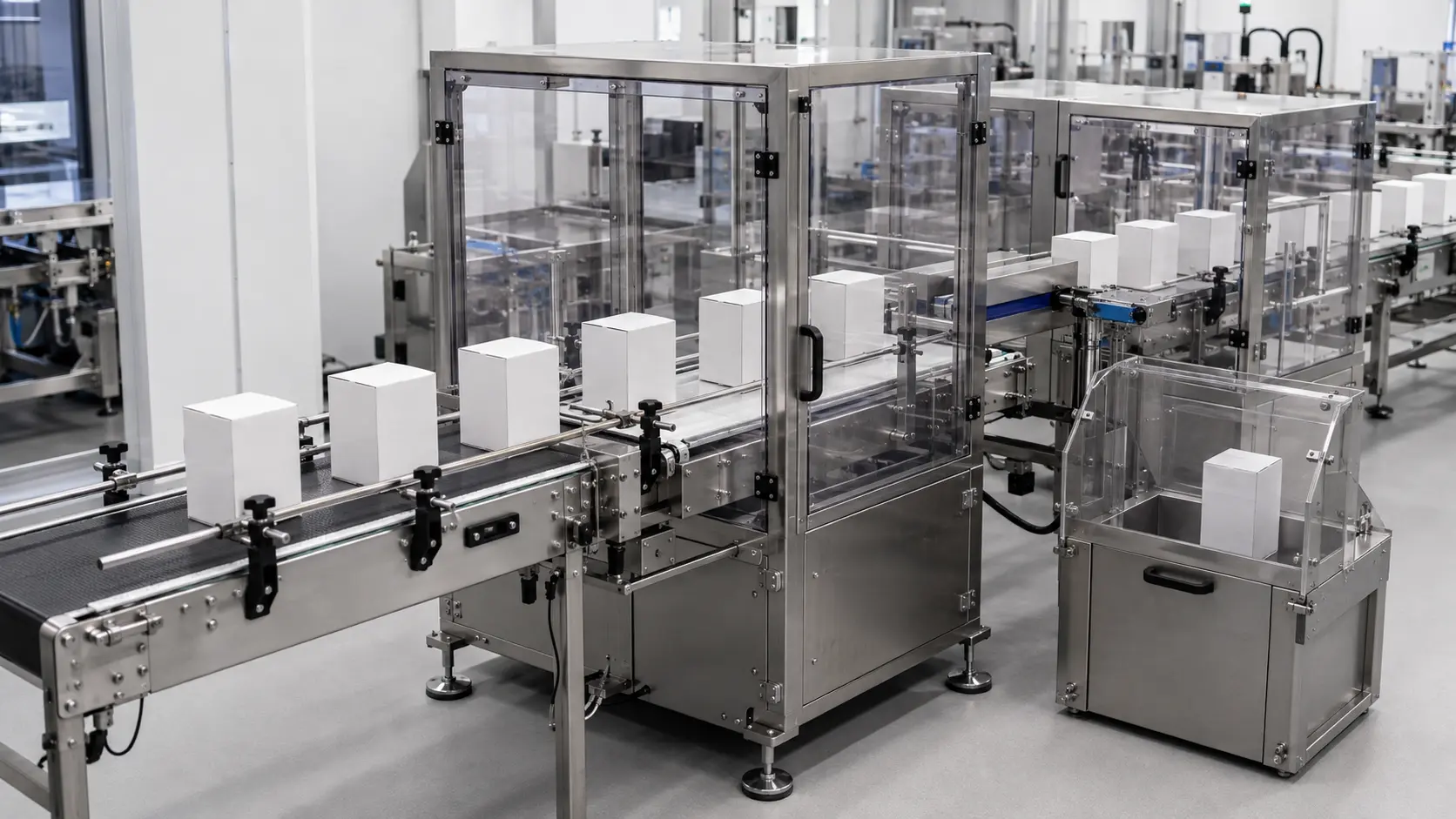
A weight result only protects production when the correct item is removed and its removal is confirmed. We select the reject principle around pack behaviour, throughput, available length and the way your quality team needs to contain and reconcile non-conforming product.
Explore system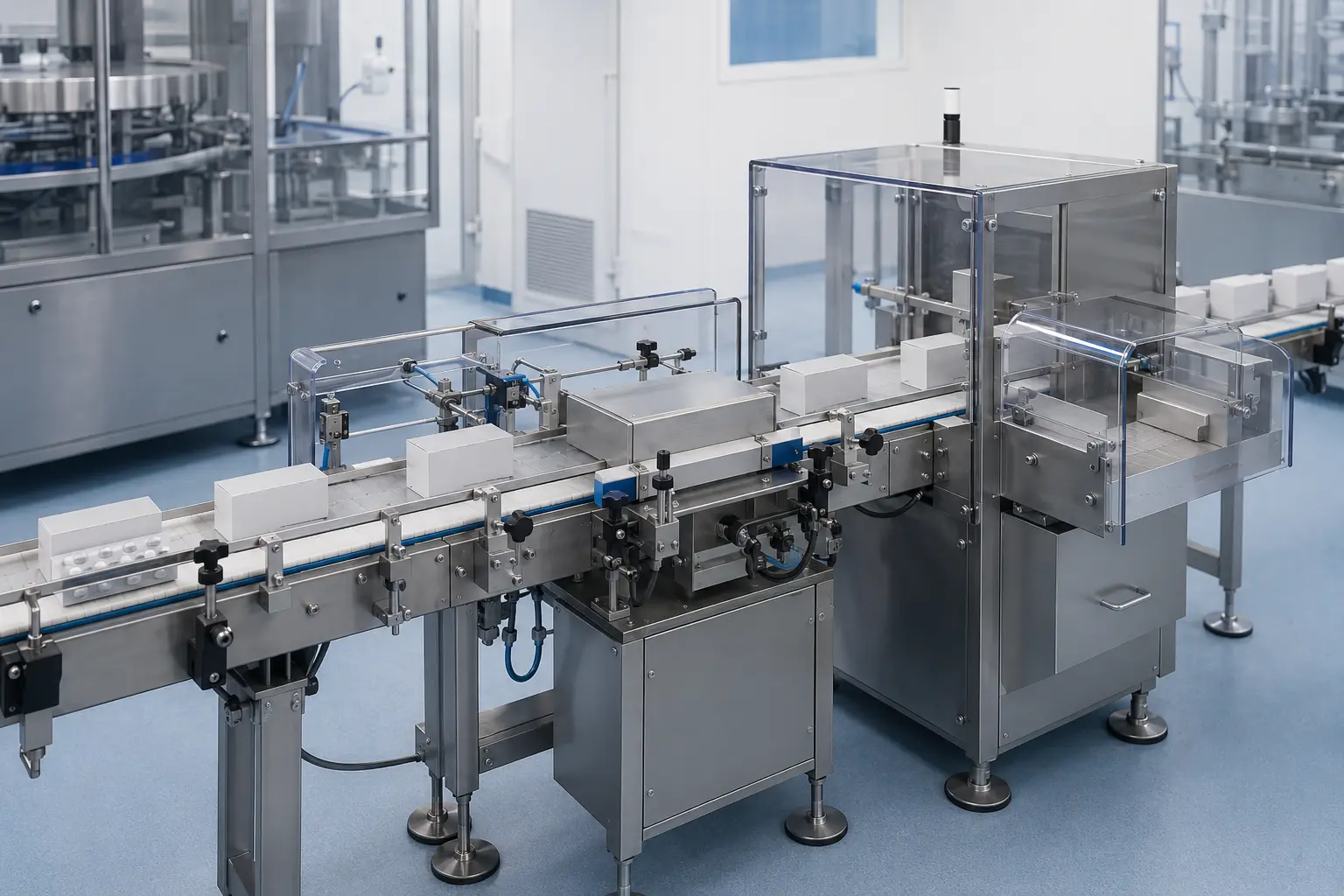
Make weight inspection information useful beyond the machine HMI. From simple batch reports to line-level data exchange, we define the records, identifiers, retention and interfaces your production and quality teams actually need.
Explore system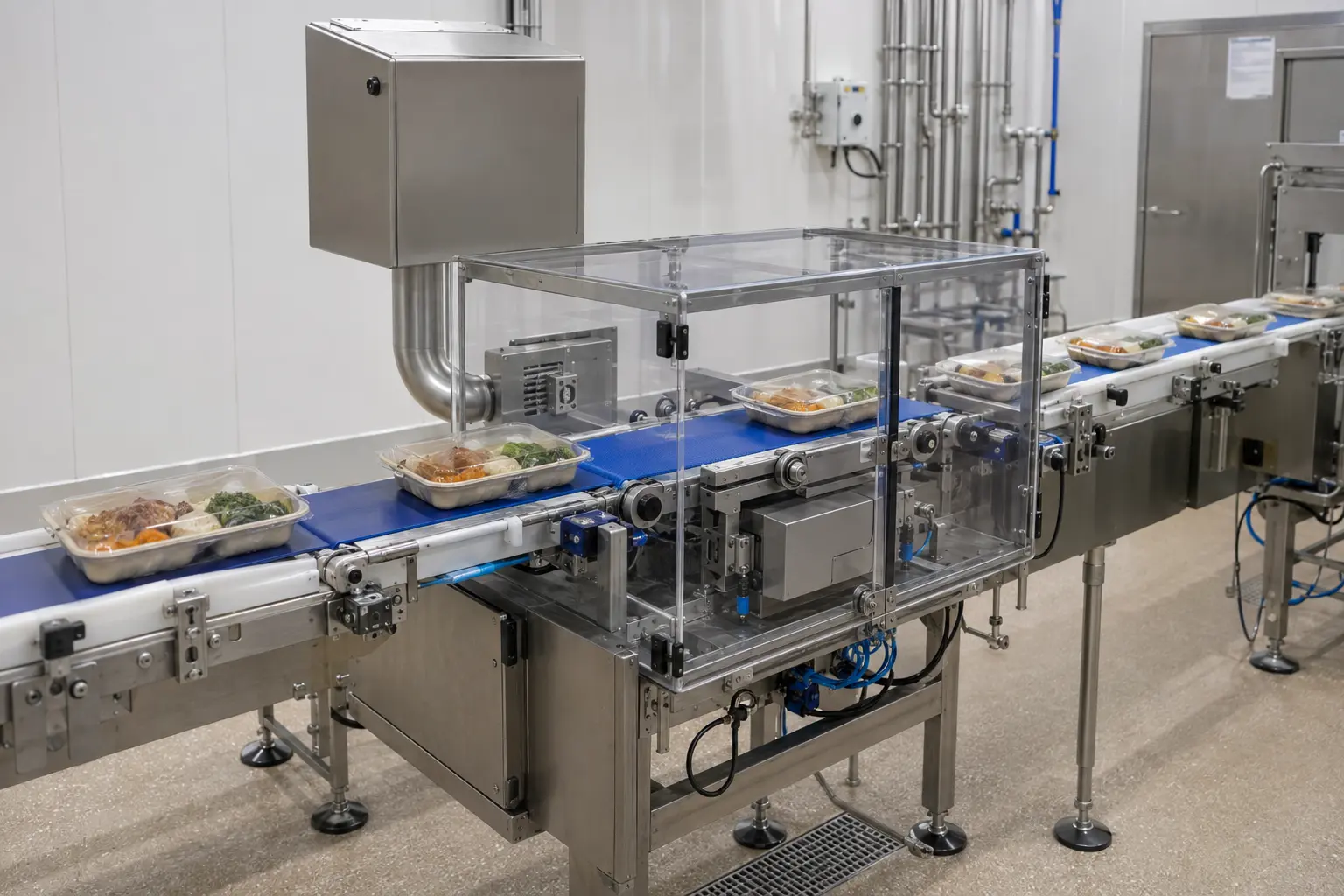
Turn downstream weight measurements into controlled adjustments at the filler. Rather than reacting to one pack, feedback logic evaluates a defined sample and applies bounded corrections when a genuine process trend is established.
Explore systemUse the next guide that matches the engineering or quality question behind your project.
Share pack details, target weights, line speed and any inspection or data requirements.