Stable product path
The aperture, conveyor width, metal-free zone, weighing section and reject point are engineered as a continuous product-handling path.
Bring contaminant detection and automatic weight inspection together in a coordinated system. A combination unit can reduce footprint, simplify product transfer and provide a consistent reject and line-control philosophy while keeping the two inspection results distinct.
The detector aperture, metal-free zone, weigh conveyor and rejection must form one stable product path while preserving separate contaminant and weight decisions.
The aperture, conveyor width, metal-free zone, weighing section and reject point are engineered as a continuous product-handling path.
Operators can distinguish a metal-detection event from an underweight or overweight result for investigation and record keeping.
The layout can provide practical access for performance checks and challenge testing without compromising normal guarding.
Reject confirmation, bin-full monitoring, air-failure sensing and stop logic can be selected according to the risk assessment and customer standard.
Although the machines are combined, contaminant detection and weight control remain separate quality functions. The user requirement should define sensitivity, weight limits, test procedures, reject segregation, permissions and records for each. This creates a system operators can validate and investigate with confidence.
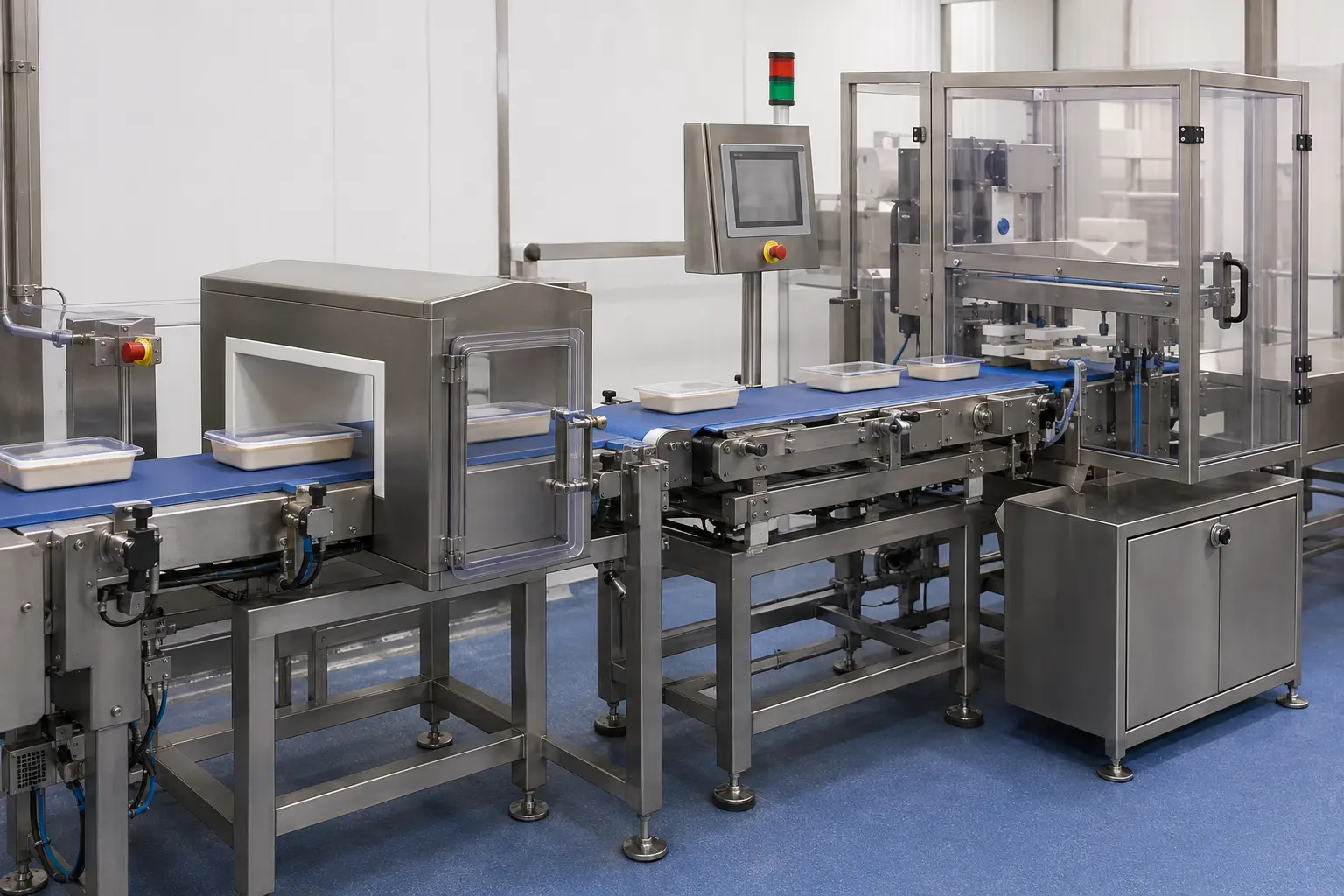
Barcode or vision checks can be added where needed, but they must not obscure detector testing, weight verification or the recorded reason for rejection.
Discuss integrated inspectionThese answers cover reject routing, separate records, detector sensitivity and the feasibility of integrating an existing detector.
It can use a common reject, or separate reject routes can be specified when your procedure requires faults to be segregated. The correct arrangement depends on the risk assessment and available space.
Yes. Metal-detection events and weight classifications can be displayed and recorded separately, even where the mechanical system is integrated.
The mechanical layout must respect the detector manufacturer's metal-free-zone and installation rules. This is addressed during the integrated design.
Sometimes. We first review the detector, aperture, conveyor, controls, available length and conformity boundaries before recommending integration or replacement.
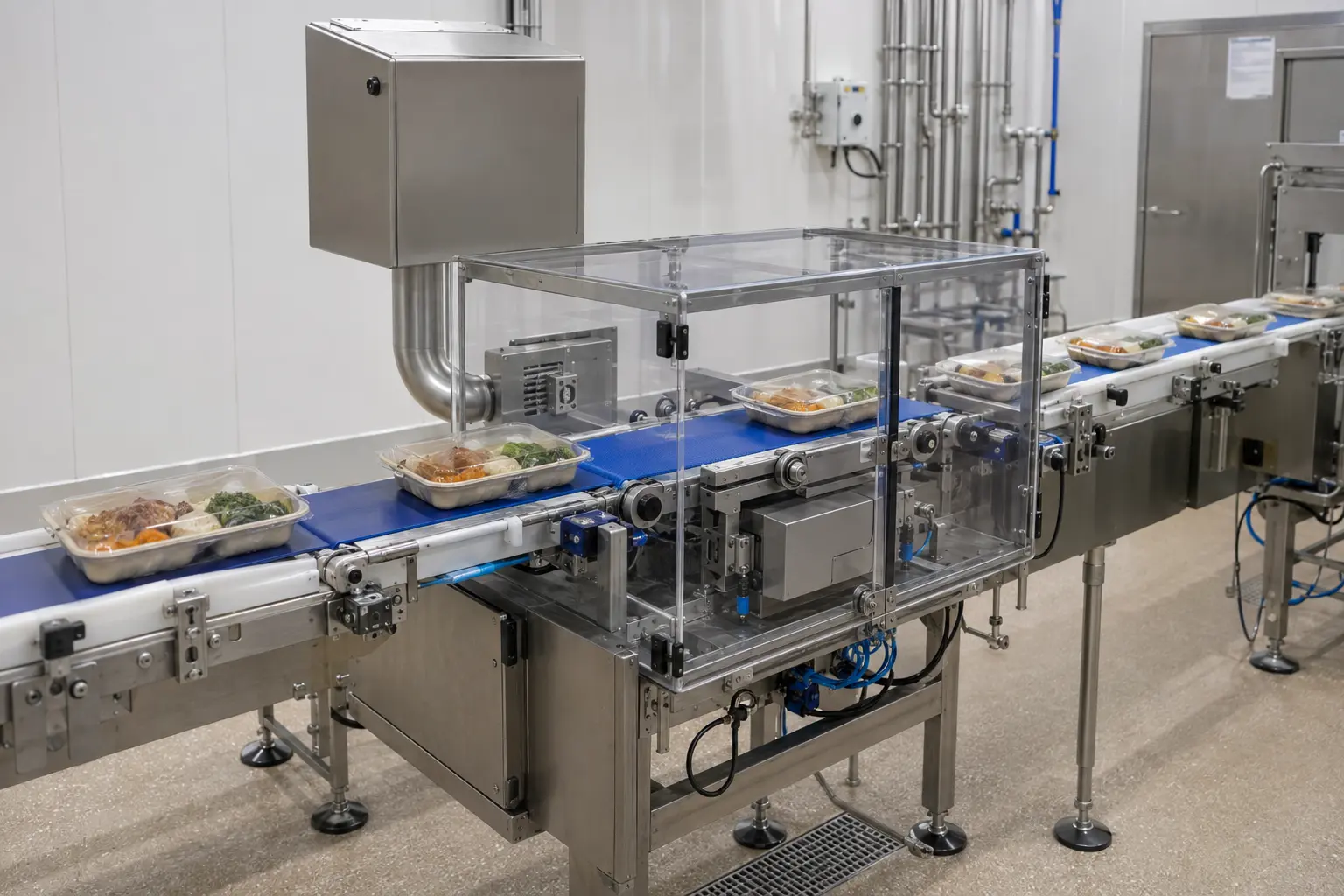
Inspect every finished pack for underweight and overweight conditions while giving production teams a live view of process drift. Systems can be configured for open or wrapped food, dry or wet areas, and straightforward or frequent product changeovers.
Explore system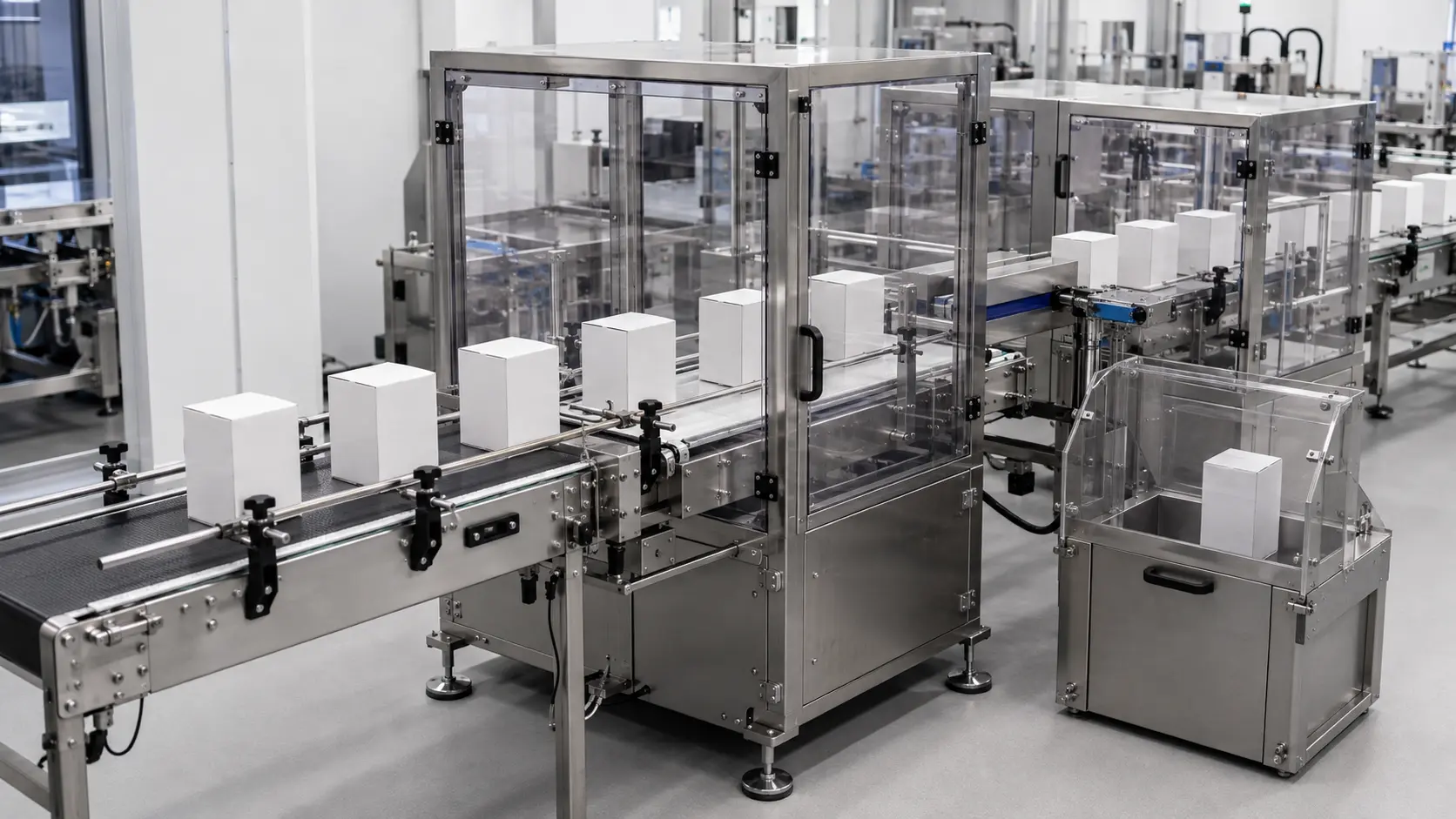
A weight result only protects production when the correct item is removed and its removal is confirmed. We select the reject principle around pack behaviour, throughput, available length and the way your quality team needs to contain and reconcile non-conforming product.
Explore system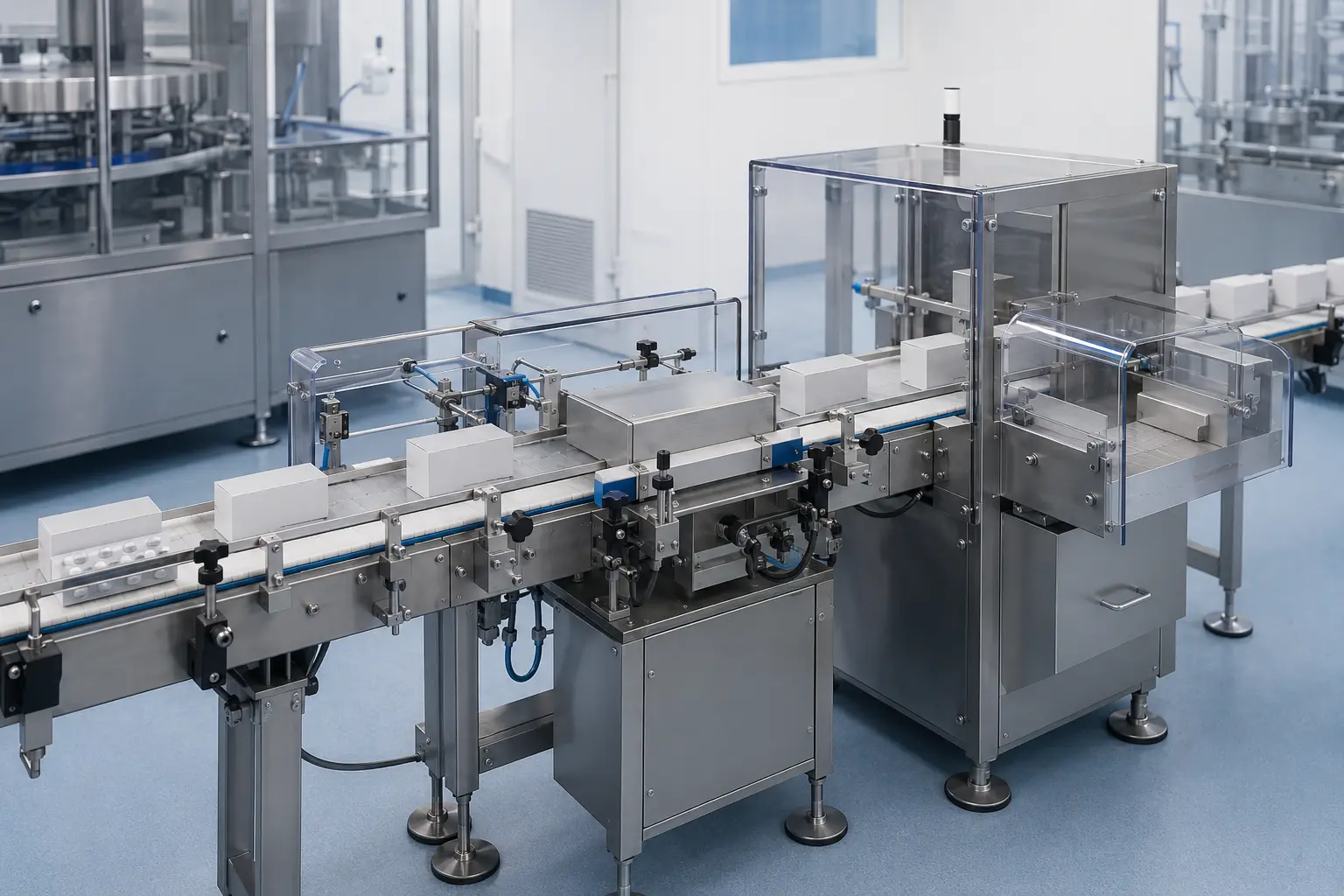
Make weight inspection information useful beyond the machine HMI. From simple batch reports to line-level data exchange, we define the records, identifiers, retention and interfaces your production and quality teams actually need.
Explore systemUse the next guide that matches the engineering or quality question behind your project.
Share pack details, target weights, line speed and any inspection or data requirements.