Application review
We define pack formats, target weights, throughput, environment, line length and the faults that must be detected.
An in-line checkweigher measures packs while they move, compares the result with the programmed limits and signals rejection of failed packs. Specify weighing performance and the reject system together, using the real pack, line speed, smallest weight difference and the evidence needed to confirm removal.
Dynamic weighing performance depends on more than nominal speed and weight range. Pack stability, belt transitions, spacing, vibration, drafts and rejection all influence the result.
Oxford Vision Systems brings those elements together as a production-line inspection project, with the controls and records your team needs from day one.
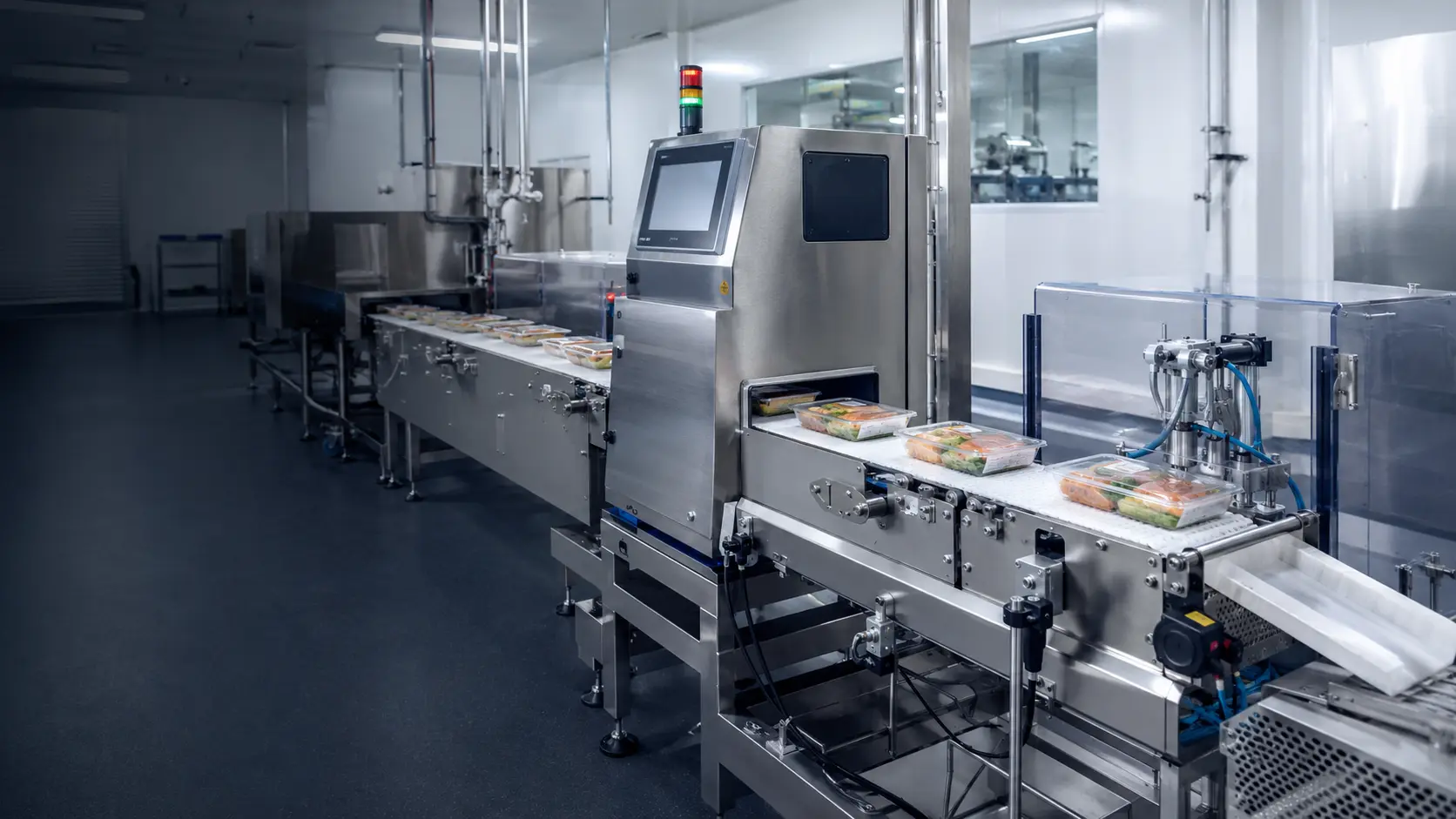
Inspect correctly presented packs at the agreed production rate, classify them against defined limits and remove non-conforming items with an application-matched reject system. We configure the weighing conveyor, controls, reject method and data outputs as one practical system.
View solution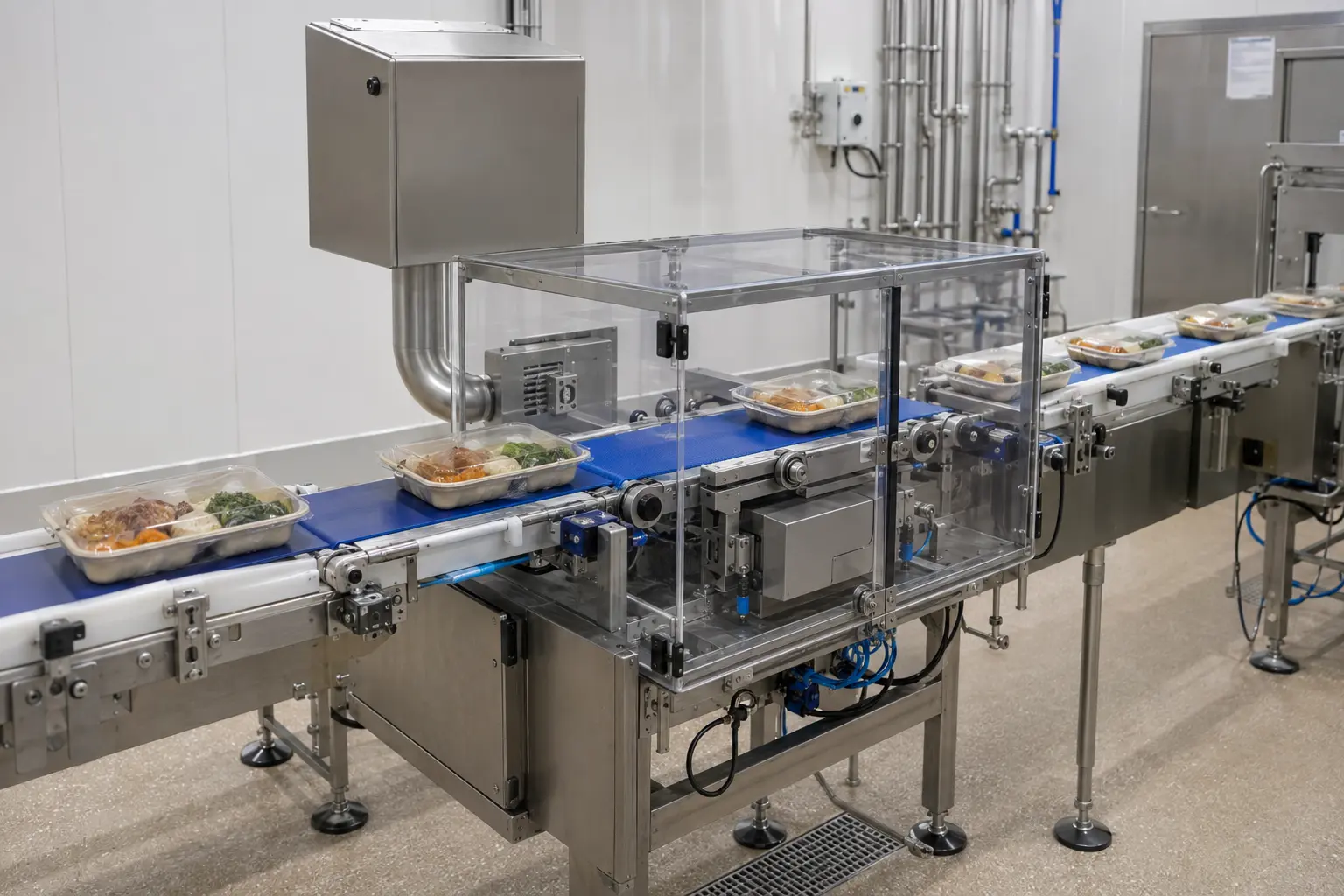
Inspect every finished pack for underweight and overweight conditions while giving production teams a live view of process drift. Systems can be configured for open or wrapped food, dry or wet areas, and straightforward or frequent product changeovers.
View solution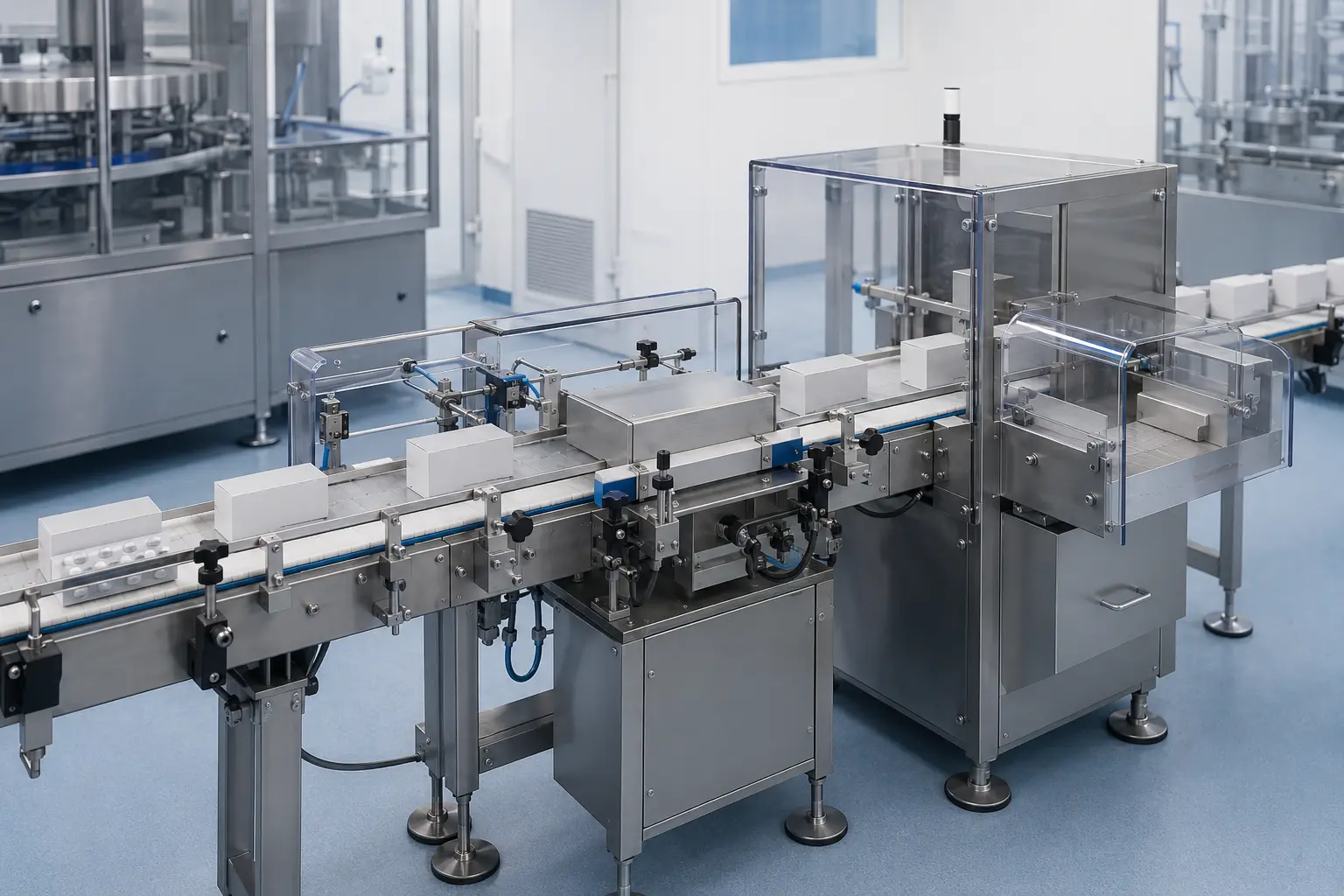
Verify carton, bottle, device and kit weight without relying on periodic manual samples. A correctly engineered checkweigher may flag missing-content or component-count errors when the gross-weight difference is distinguishable, while supporting controlled recipes and secure reject handling.
View solution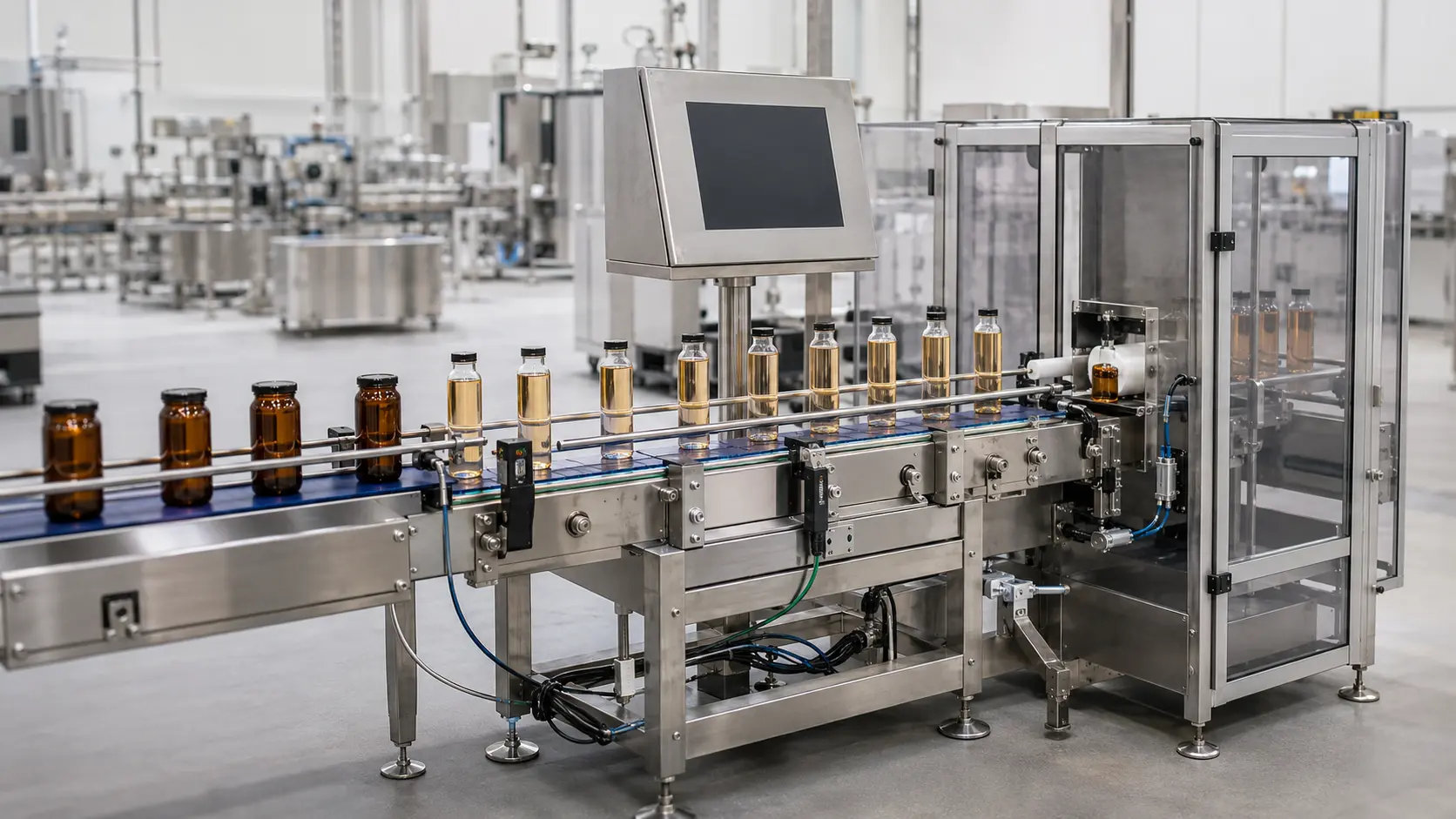
Weigh filled bottles and jars at line speed while maintaining stable handling through the infeed, weigh section and reject station. The design can accommodate glass, plastic and metal containers across food, beverage, cosmetic, pharmaceutical and chemical applications.
View solution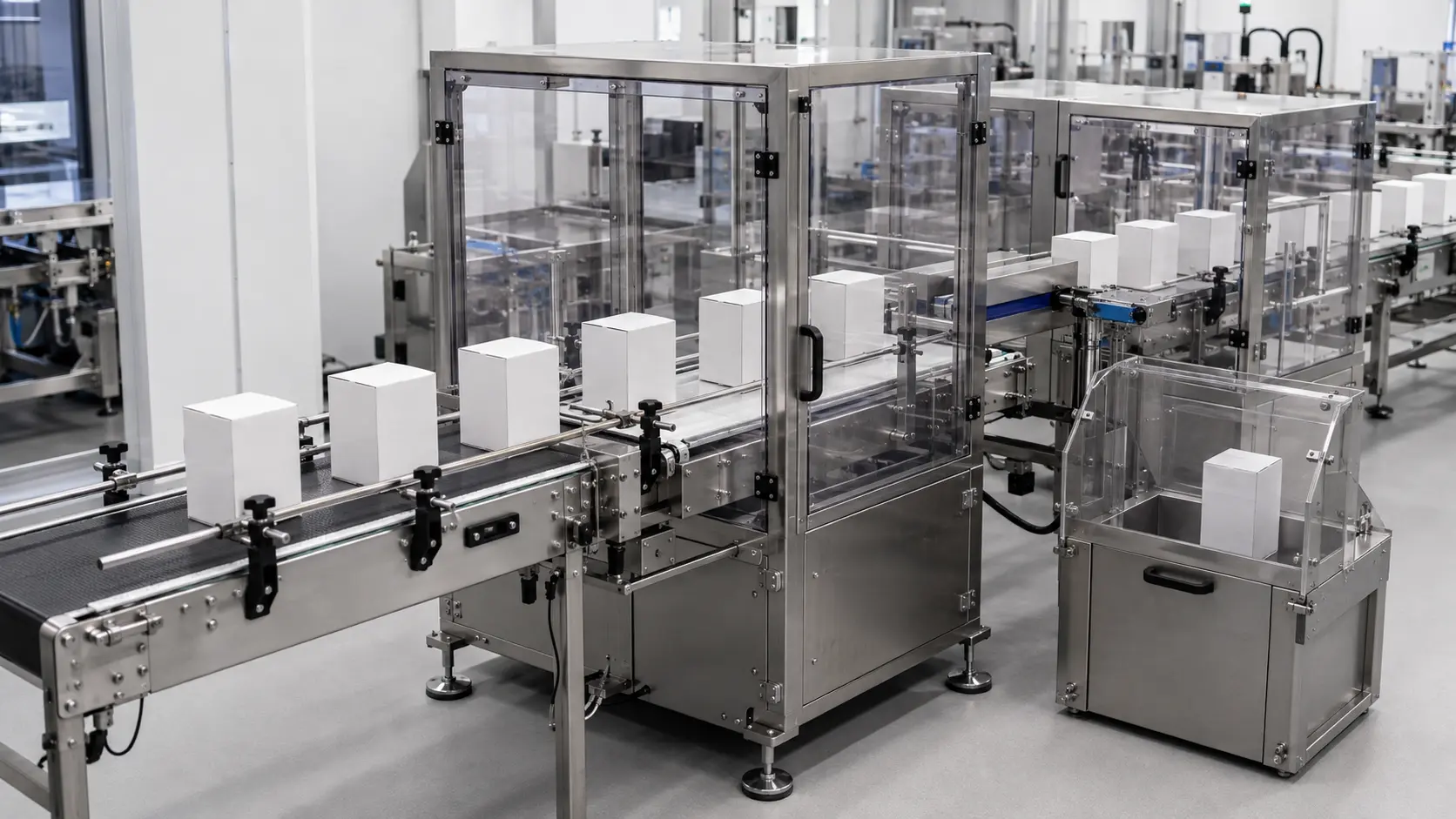
Use in-line gross weight as a fast, non-destructive indicator of product completeness. From small pharmaceutical cartons to food, cosmetic and general-manufacturing packs, the system is configured around the detectable weight difference and the normal variation of every pack component.
View solution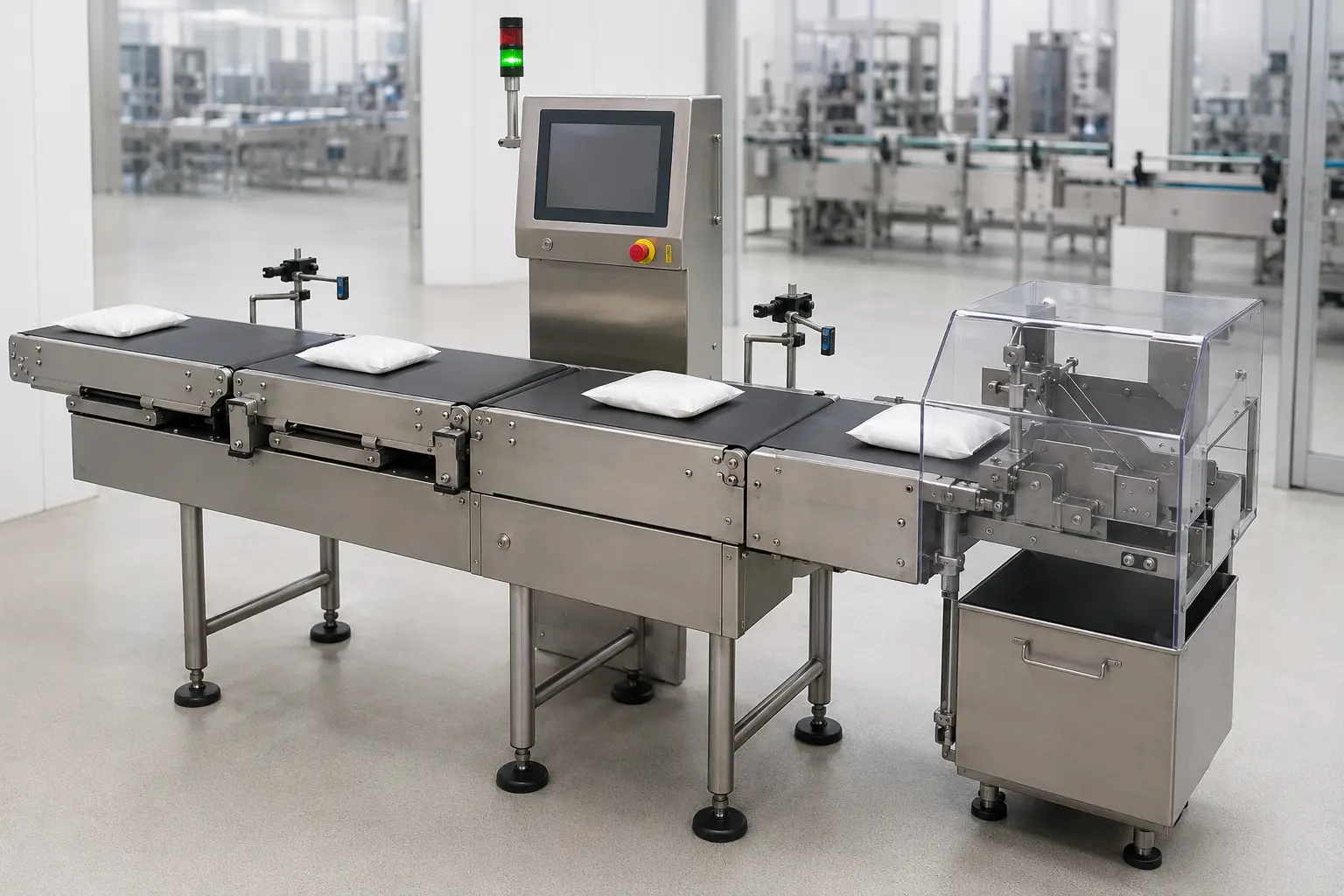
Flexible packs can curl, bounce, overlap and change shape as they move. We configure belt speed, transfer geometry, product spacing and rejection around the real pouch or sachet so weight results remain repeatable at production speed.
View solution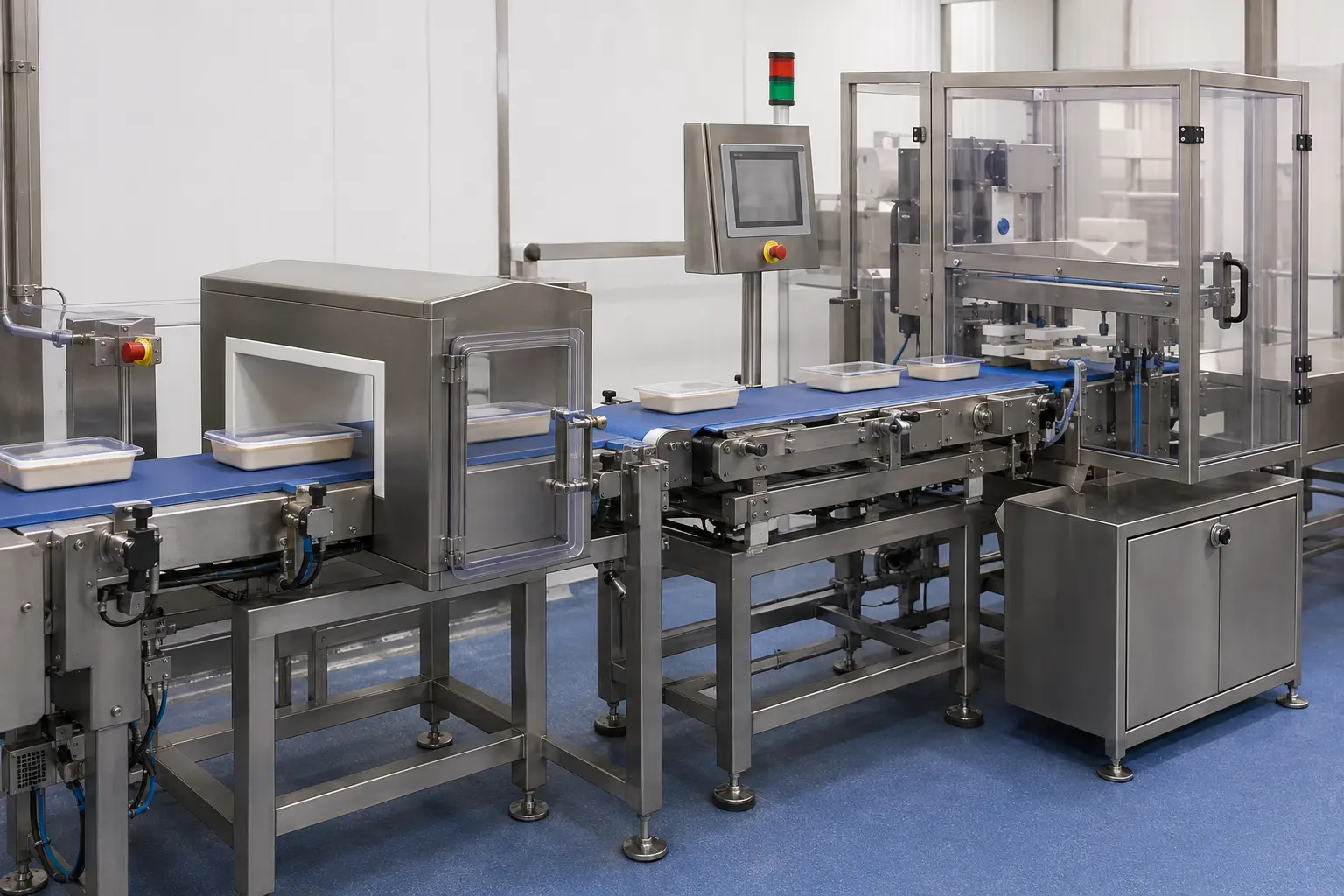
Bring contaminant detection and automatic weight inspection together in a coordinated system. A combination unit can reduce footprint, simplify product transfer and provide a consistent reject and line-control philosophy while keeping the two inspection results distinct.
View solutionInspect sachets, stick packs and other small products from parallel filling lanes while keeping each lane’s measurement, tracking and reject result distinct.
View solutionCheck cases, boxes, bags and sacks for gross-weight or missing-content faults using reinforced conveying and a reject response selected for the actual load.
View solutionCombine weight classification with label presence, barcode, date-code and visual pack checks while retaining a clear reason for every reject.
View solutionEach stage reduces uncertainty before the equipment reaches production.
We define pack formats, target weights, throughput, environment, line length and the faults that must be detected.
Representative good and known-fault samples help establish the real inspection window and handling needs.
Conveyors, guides, weighing, rejection, guarding, controls and data interfaces are developed as one scope.
Agreed performance checks, operator training and technical documentation support a controlled handover.
Checkweighing is frequently combined with metal detection, barcode reading, label inspection, print verification and product-presence checks.
We can coordinate tracking, recipes, result handling and rejection so operators understand why a product failed and quality teams receive a meaningful record.
The goal is not simply a weight value. It is a controlled, repeatable decision that supports production, compliance and improvement.
Apply stable limits and dependable product tracking so good packs continue and non-conforming packs are controlled.
Use average-weight and trend information to investigate change before it becomes sustained waste or rejection.
Keep a capable filling process centred closer to target, with optional bounded feedback to compatible equipment.
Capture counts, statistics, recipes, batches, alarms and rejects at the level your quality process requires.
Practical answers for engineering, production and quality teams preparing a UK checkweighing project.
Understand quotation scope, cost drivers and total installed project value.
Plan a budget →02Compare dynamic performance claims using the real pack at line speed.
Define performance →03Build a requirement covering handling, rejects, data and acceptance.
Choose a system →04Connect quantity control, records and corrective action to the line.
Review compliance →05Estimate the annual product cost created by a small average overfill.
Calculate product loss →06Compare hygiene, validation, operation and integration decisions.
Explore all guides →Performance must be related to a real product, pack and production environment.
An in-line checkweigher is an automatic conveyor scale that weighs each product while it is moving, compares the result with configured limits and then accepts, signals or rejects the pack.
Accuracy depends on product weight, dimensions, stability, speed, pitch, belt design and the installation environment. We quote performance against a defined application.
Yes, when the missing component creates a difference greater than the normal variation of every good-pack element. A representative capability trial is recommended.
Where the filler offers a suitable interface, filtered average-weight data can request small bounded corrections without reacting to every pack.
Yes. Barcode readers and vision systems can verify identity, label presence, print and orientation while the checkweigher verifies weight.
Share pack details, target weights, line speed and any inspection or data requirements.
A meaningful dynamic weighing proposal identifies the pack, presentation, speed and decision required. Record the normal product and packaging variation as well as the smallest fault you want to distinguish. Compare quotations only where those conditions and the method used to assess performance are stated.
Keep display resolution, repeated measurement spread and agreement with the reference weight separate. More displayed decimal places do not establish that moving packs can be classified reliably at that interval. Ask how representative packs will be referenced and how repeat passes at the proposed line conditions will be assessed.
Agree how the acceptance test handles ordinary variation in spacing, orientation, belt transfers and the surrounding production environment. Include every required format and recipe. A result obtained with one stable pack should not silently become a performance claim for a flexible pouch, tall bottle or different line speed.
Assess the final product-control decision as well as the recorded weight. Known failures should be tracked to the intended reject response, including consecutive rejects and interrupted production. Confirm what the line does when a valid measurement is unavailable or removal cannot be confirmed.
Accuracy and repeatability guide · Installation and line integration
Related pages: Dynamic vs static checkweighing
Review food checkweigher trial decisions The food guide explains how to separate product variation, transfer effects and inspection response.
Product stability, belt speed, vibration, air movement, pack geometry, conveyor transitions, calibration and the selected weighing window all influence repeatability.
The controller identifies an out-of-limit pack, tracks it to the reject point and activates the selected device, with confirmation where the process requires it.
An in-line machine weighs products automatically in motion; a static scale normally requires each item to be stopped or placed manually.