Smooth transfers
Matched belt heights, nose-bar geometry and side-guide transitions reduce shock and wobble as containers enter and leave the weigh conveyor.
Weigh filled bottles and jars at line speed while maintaining stable handling through the infeed, weigh section and reject station. The design can accommodate glass, plastic and metal containers across food, beverage, cosmetic, pharmaceutical and chemical applications.
Upright containers need matched transfers, side guides and a reject action that removes the failed bottle or jar without destabilising adjacent products.
Matched belt heights, nose-bar geometry and side-guide transitions reduce shock and wobble as containers enter and leave the weigh conveyor.
Timing screws, spacing belts or gating can be considered when containers arrive touching or at an inconsistent pitch.
Pusher, sweep and guided-divert arrangements can remove non-conforming containers without toppling adjacent product.
Net or gross-weight trends can identify filler drift, blocked nozzles or inconsistent dosing when tare variation is properly understood.
Bottle and jar projects often sit alongside cap inspection, fill-level vision, label verification, code reading and leak detection. A coordinated control design can associate weight and visual checks with the same product flow, while a common reject philosophy helps operators investigate faults efficiently.
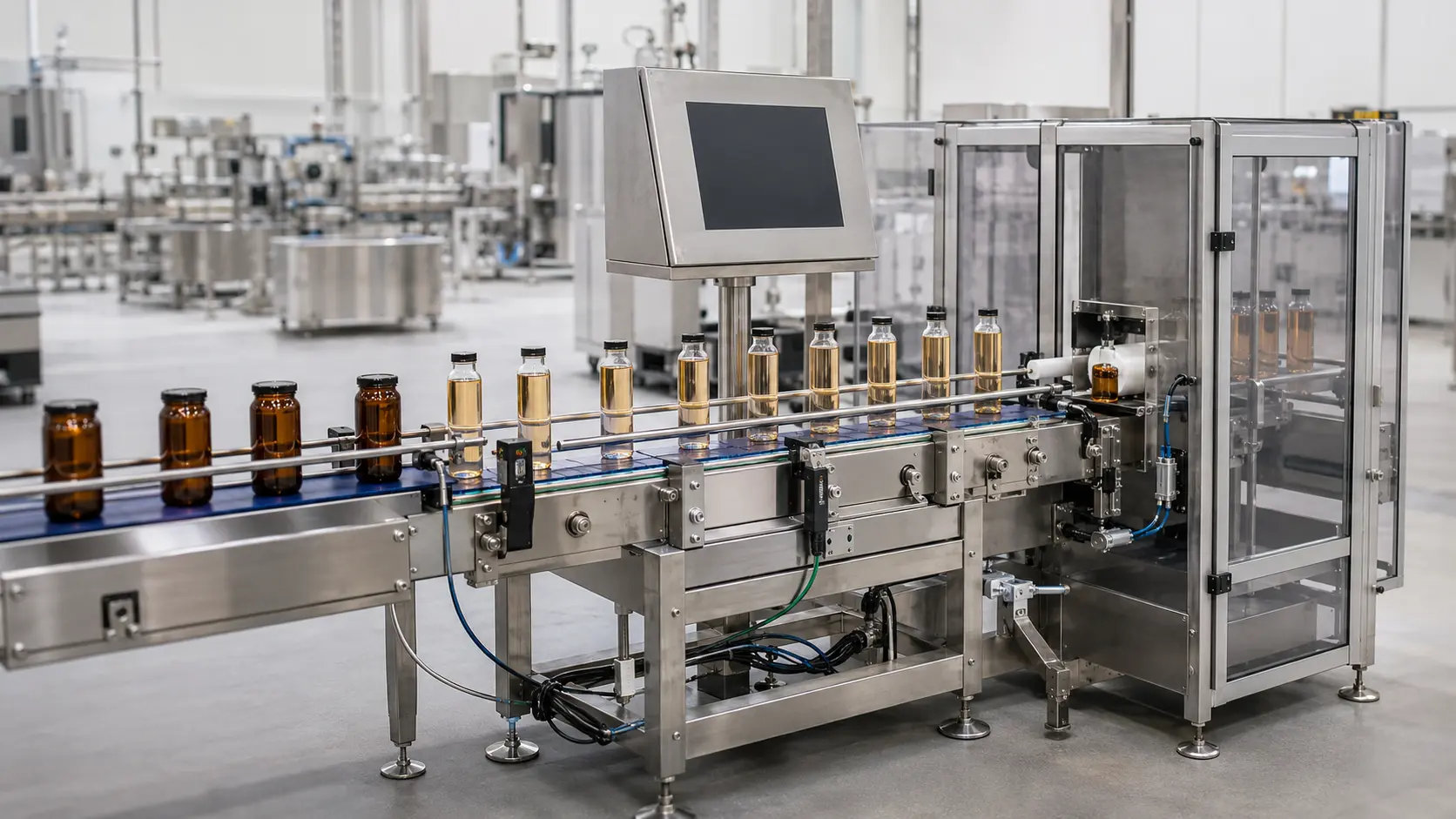
Gross weight can be combined with direct checks for cap presence, fill level, label position and printed codes, with each fault linked to the agreed line response.
Discuss integrated inspectionThese answers explain how container material, tare variation, pitch and rejection affect a realistic acceptance test.
Yes, with transfers, guides and reject handling designed for the container. Your glass and breakage policy should be considered as part of the line risk assessment.
It may be possible when cap weight is clearly greater than normal combined product and container variation. Vision inspection is often the more direct check for cap presence and position.
Yes, where the filler accepts suitable control signals. Feedback logic is based on a stable rolling trend rather than reacting to a single container.
It is tracked to the selected reject point and diverted into the agreed containment area, with optional confirmation that the reject action completed.
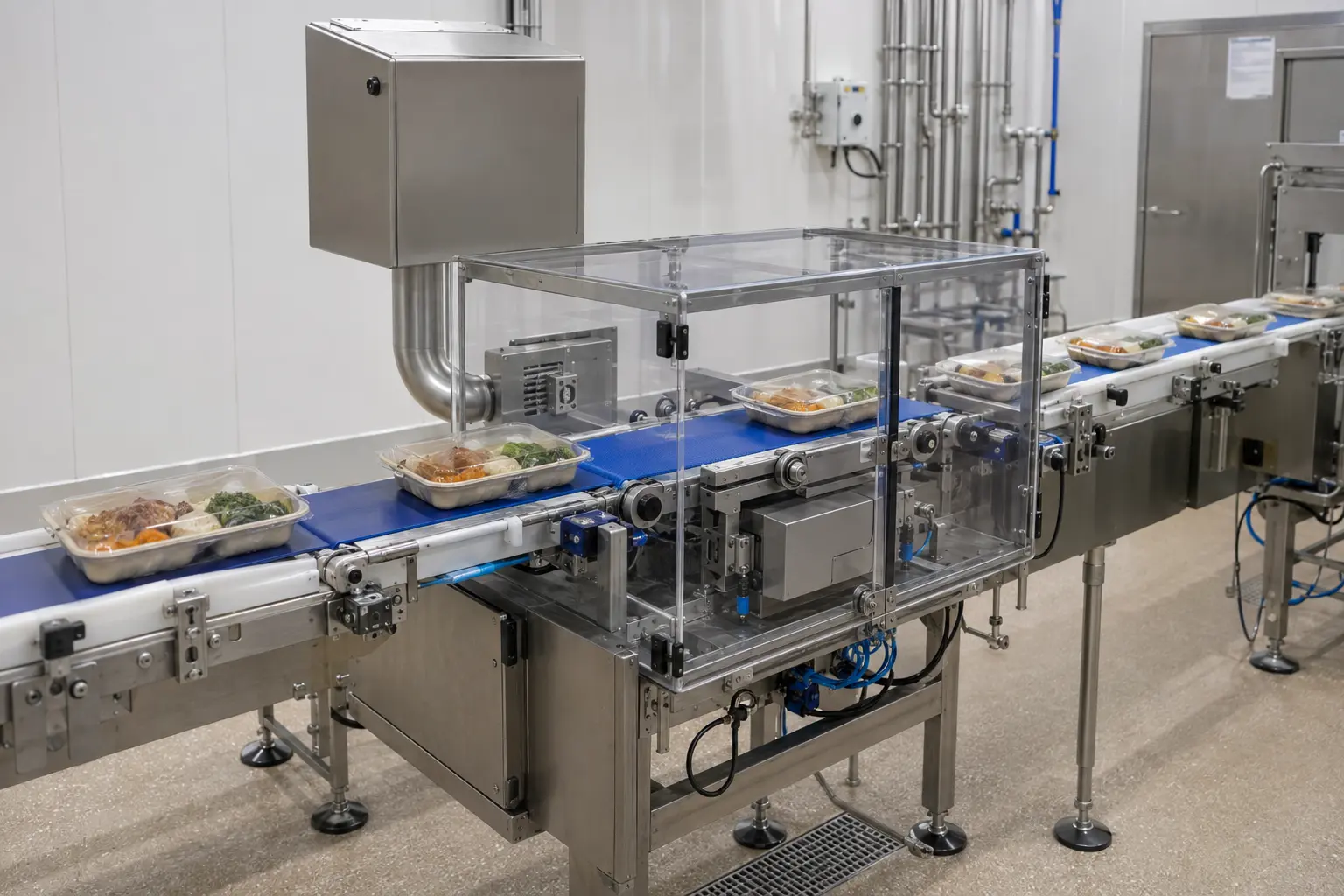
Turn downstream weight measurements into controlled adjustments at the filler. Rather than reacting to one pack, feedback logic evaluates a defined sample and applies bounded corrections when a genuine process trend is established.
Explore system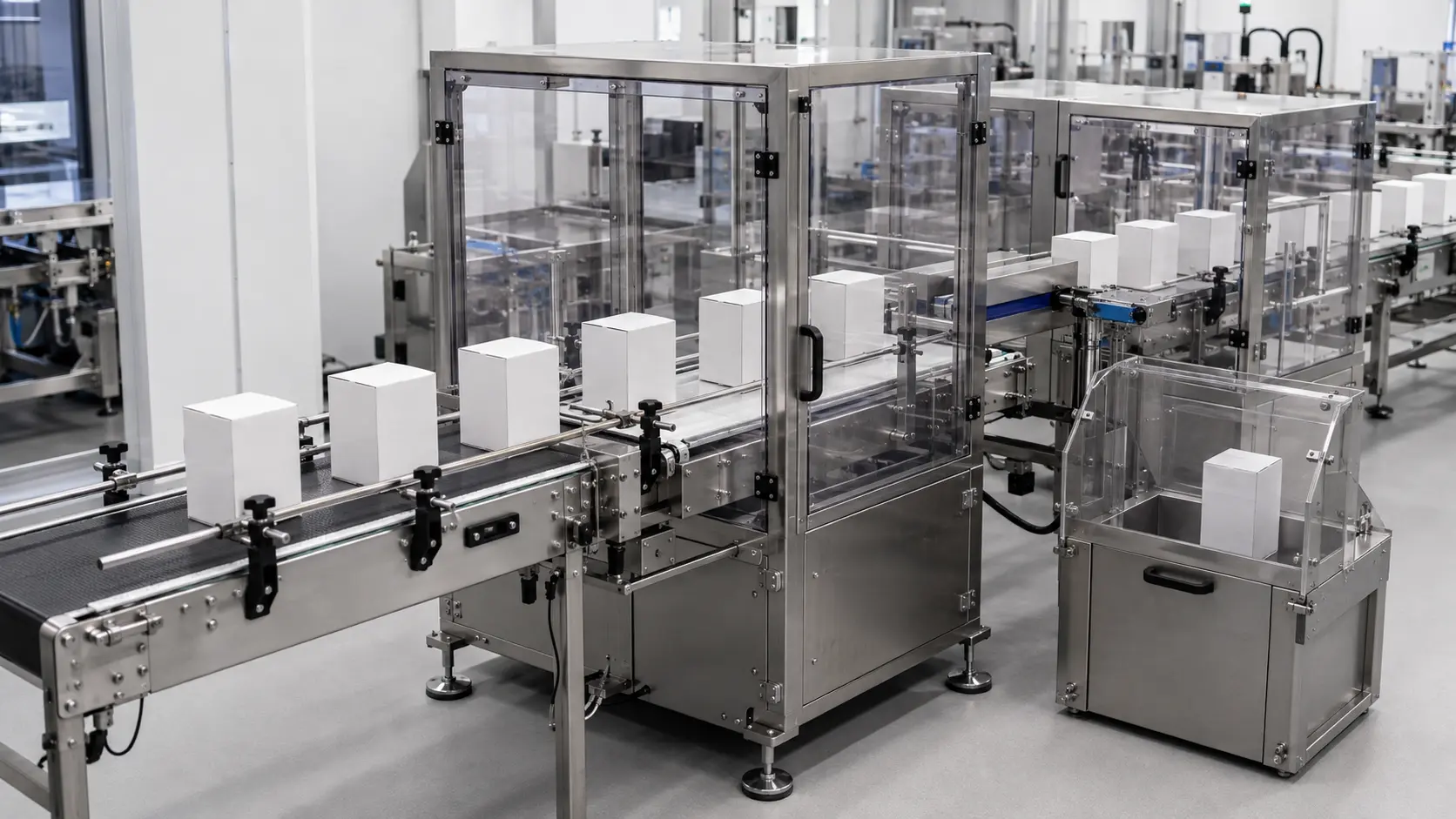
A weight result only protects production when the correct item is removed and its removal is confirmed. We select the reject principle around pack behaviour, throughput, available length and the way your quality team needs to contain and reconcile non-conforming product.
Explore system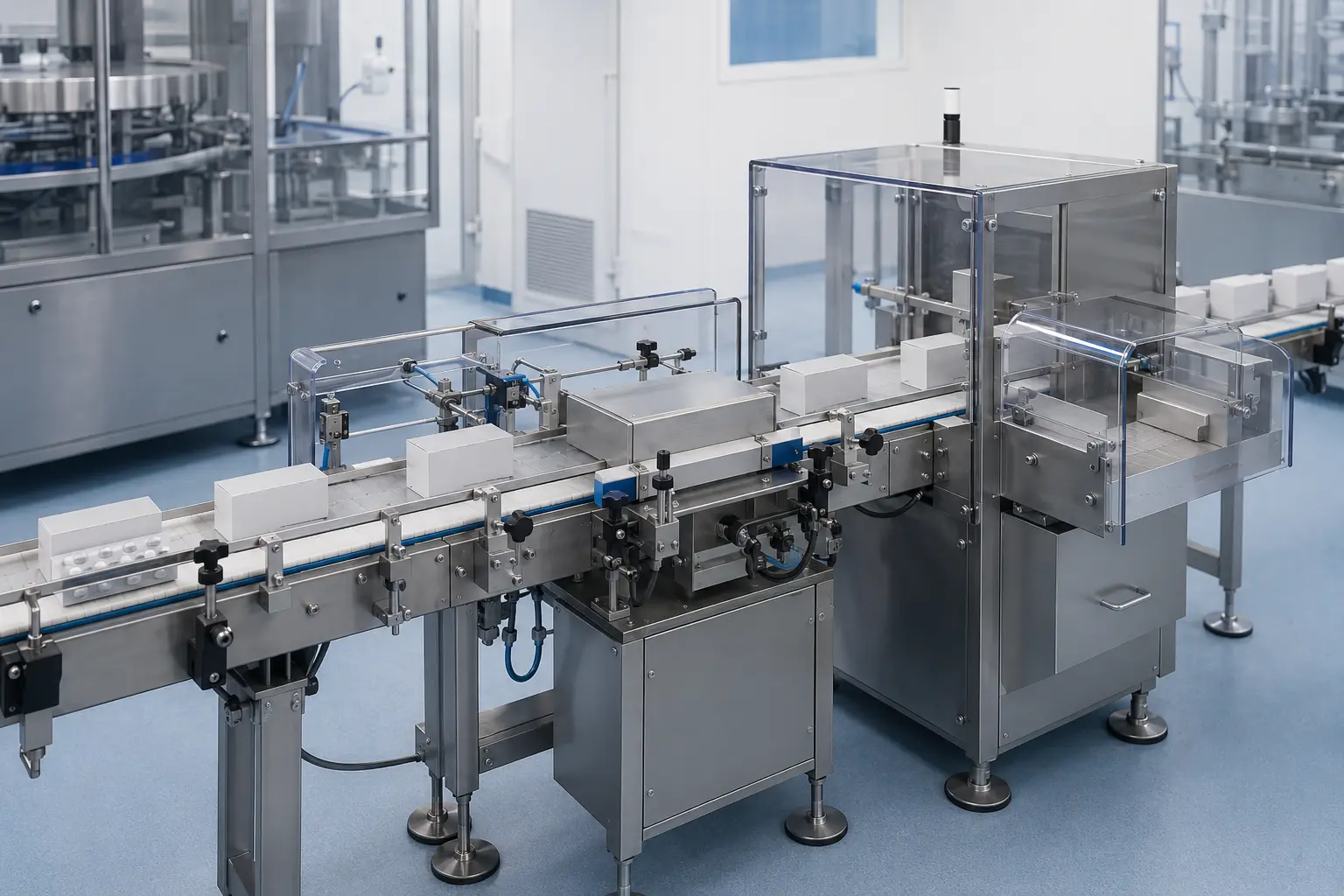
Make weight inspection information useful beyond the machine HMI. From simple batch reports to line-level data exchange, we define the records, identifiers, retention and interfaces your production and quality teams actually need.
Explore systemUse the next guide that matches the engineering or quality question behind your project.
Share pack details, target weights, line speed and any inspection or data requirements.